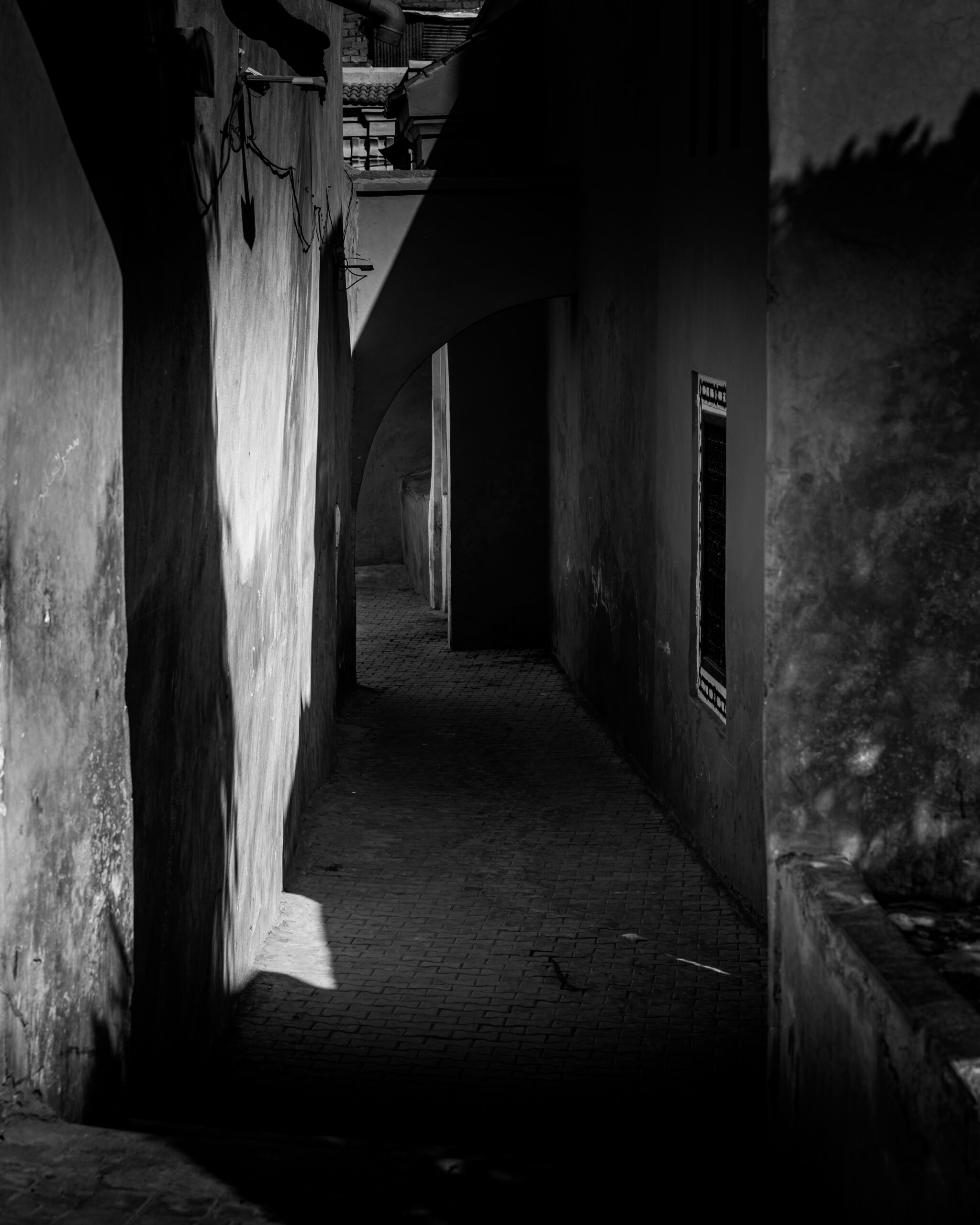
There was a time when photography was always somewhere in my life.
Not always in a dramatic way. Not always through big trips, perfect light, or planned projects. Sometimes it was simply there — a camera nearby, a walk with no clear destination, a moment of light on a building, a quiet street, a frame I noticed without trying too hard.
Then life became busier.
Work took more space. Responsibilities became louder. Energy became something I had to protect. Photography did not disappear completely, but it slowly moved into the background. It became something I would return to later.
- Later when I had more time.
- Later when I felt inspired.
- Later when I was less tired.
- Later when everything was easier.
But “later” can become a very comfortable place to hide.
I didn’t stop loving photography
This was the strange part.
I never felt that I stopped loving photography. I still noticed light. I still looked at places as photographs. I still felt something when I saw a quiet frame, a cinematic street, a landscape changing under clouds, or a simple moment that seemed to hold more than it first showed.
The love was still there.
What disappeared was the rhythm.
The habit.
The small act of showing up with a camera.
And when you stop showing up, even for reasons that make sense, photography can begin to feel distant. You start to question your eye. You start to wonder if you are still creative. You compare your silence with everyone else’s consistency.
But I have learned that photography does not always return through pressure.
Sometimes it returns quietly.
Coming back through small moments
For a long time, I thought I needed a big plan to come back properly.
A new project.
A new system.
A new trip.
A perfect free weekend.
A clear vision.
But the more I waited for the perfect return, the easier it became to not return at all.
What helped me was much smaller.
Taking the camera with me even when I did not expect anything.
Going for a short walk.
Editing one image instead of a whole folder.
Noticing one frame instead of trying to create a full series.
Giving myself permission to photograph badly, slowly, and without pressure.
Five minutes can sound too small to matter.
But sometimes five minutes is enough to remind you who you are.
Not because every short session creates a great photograph. Most of them do not. But because they rebuild the relationship. They make photography feel close again.
Photography in real life
I think many photographers struggle because they imagine photography has to exist in perfect conditions.
A beautiful location.
A free day.
Good weather.
A clear mind.
Enough energy.
Enough motivation.
But most of life does not look like that.
Most of life is work, tired evenings, unfinished tasks, ordinary streets, bad weather, and small pockets of time.
If photography can only exist in perfect conditions, it will disappear every time life becomes full.
So I started thinking differently.
Instead of asking, “How do I make more time for photography?” I started asking, “How can photography fit into the life I already have?”
That changed everything.
Photography became less about escaping life and more about paying attention inside it.
The quiet return
Coming back slowly taught me something important: photography is not only about the final image.
It is about the way you move through the world.
It is about noticing.
It is about being present for a few seconds longer.
It is about seeing ordinary places with more care.
It is about giving yourself a reason to slow down when everything else asks you to rush.
That is why I started calling this approach quiet photography.
Not because the photographs have to be soft or silent.
But because the process begins with attention rather than pressure.
What this became
This slow return eventually became the foundation for The Quiet Photographer.
I did not write it from a place of having everything perfectly figured out. I wrote it because I understood what it feels like to lose the rhythm of photography while still loving it.
I understood what it feels like to want to create, but feel too busy, too tired, or too disconnected from your own work.
And I also understood that the way back does not have to be dramatic.
It can begin with one short walk.
One frame.
One edit.
One moment of noticing light again.
A small invitation
If photography has become something you keep postponing, maybe you do not need to force yourself back with a big plan.
Maybe you only need to make the doorway smaller.
Take the camera for ten minutes.
Photograph something ordinary.
Look for one piece of light.
Edit one image.
Do not ask it to become a masterpiece. Let it become a beginning.
Sometimes the way back is not loud.
Sometimes it is quiet enough that you almost miss it.
But if you keep showing up, even slowly, photography starts to feel like yours again.
If this speaks to where you are with photography, The Quiet Photographer goes deeper into rebuilding a calmer creative rhythm — through small habits, observation, and creating without pressure.